
Jamsetji Tata founded the Taj Mahal Hotel after being denied entry into a European-only hotel in Bombay. In response, he resolved to build an inclusive, world-class hotel open to all. Construction began in 1900, and the hotel opened on 16 December 1903.
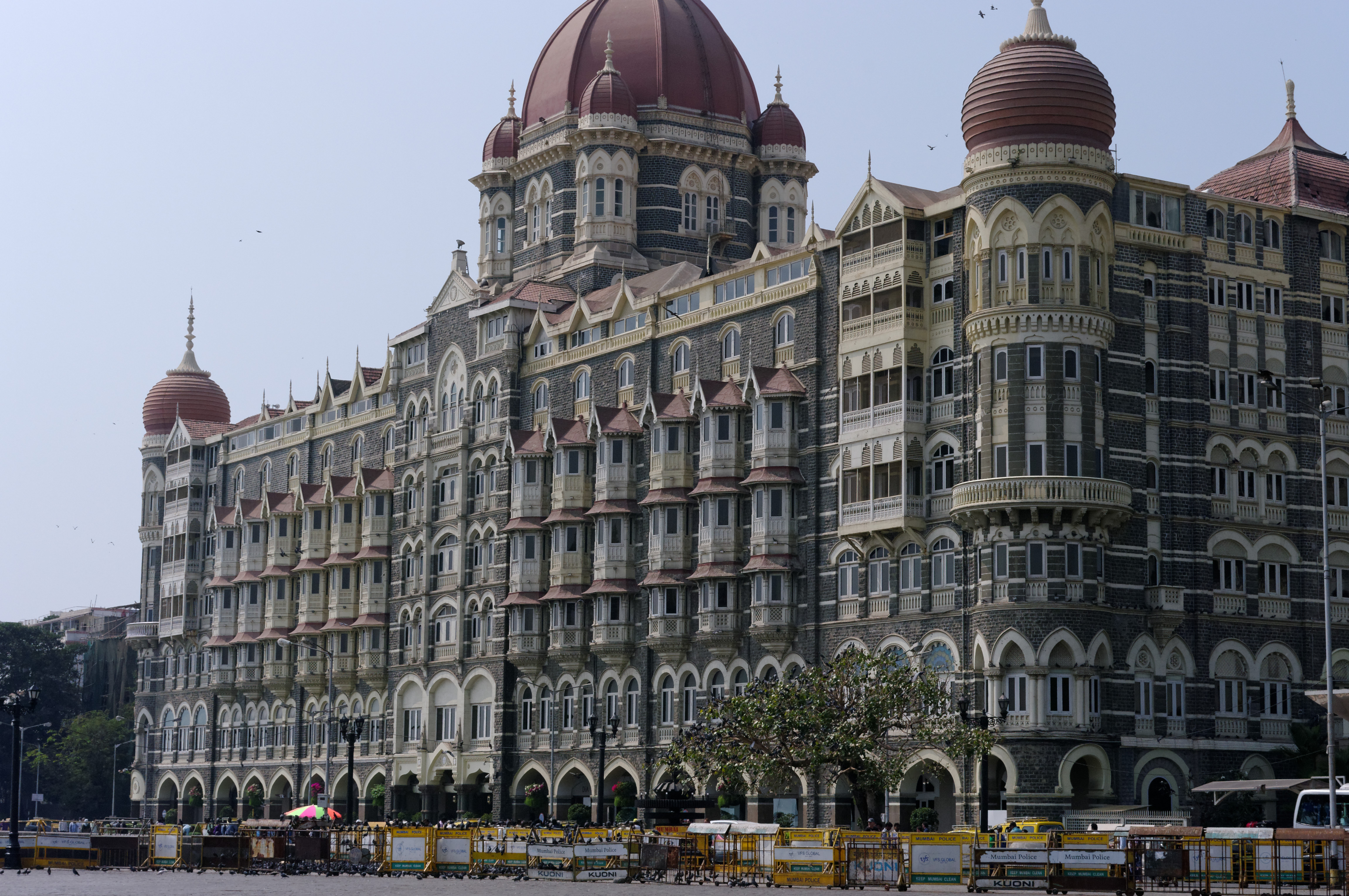
The hotel’s architecture combines Moorish, Florentine Renaissance, Oriental, and Rajput styles in a uniquely eclectic manner. It was among the first buildings in India to feature electricity, elevators, and modern amenities.
The Taj quickly became a symbol of Bombay’s cosmopolitan spirit, Indian entrepreneurship, and modern luxury. During the Second World War, it even served as a hospital. The hotel’s very existence challenged colonial racial barriers and marked an important moment in the city’s history.
During the 2008 Mumbai terrorist attacks (26/11), the Taj became a major target, suffering severe damage and loss of life. Its restoration after the attacks became symbolic of Mumbai’s endurance and unity. The Taj still stands as a monument to both India’s past struggles and its resilience.
Discover more from A Little Bit of Existence
Subscribe to get the latest posts sent to your email.


