
In 1911, when King George V and Queen Mary visited Bombay — becoming the first British monarchs to visit India — they were greeted by an archway built especially for them: the Gateway of India.
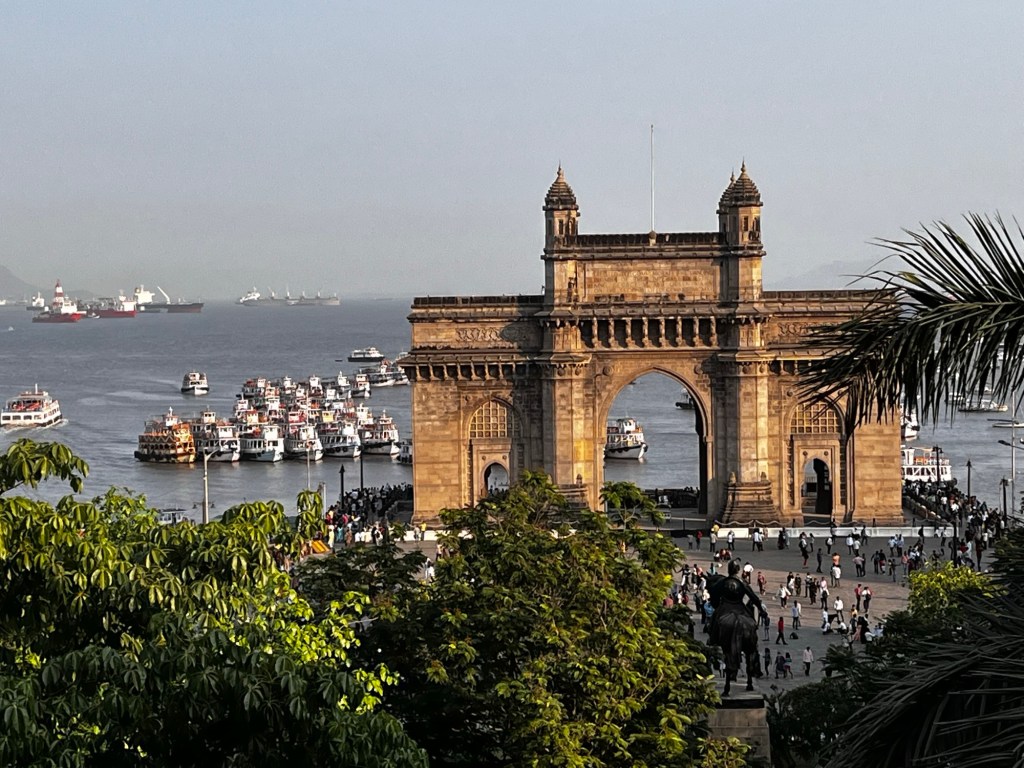
The Gateway standing there today is not the same structure that welcomed the monarchs. During their visit, a relatively small Plaster of Paris and plywood arch, loosely inspired by the Taj Mahal, stood at the site. Architect George Witte later designed the massive sandstone archway seen today, constructed between 1911 and 1924.
Strategically located on the Apollo Bunder waterfront, it symbolised British imperial power and Bombay’s role as a key colonial port. It became the ceremonial entrance for Viceroys and Governors arriving in India — a door to the East with its face turned towards the West.
After Independence, the Gateway gained national significance as the ceremonial departure point for the last British troops in 1948, symbolising the end of colonial rule. The monument now represents both Mumbai’s colonial past and India’s journey to independence.
Discover more from A Little Bit of Existence
Subscribe to get the latest posts sent to your email.
 A Little Bit of Existence